
Sleep Problems During Pregnancy and How to Fix Them Fast
You're exhausted beyond words — and yet somehow you can't sleep. Here's why pregnancy steals your sleep and exactly what to do about it.

There is a peculiar gap in how we talk about childbirth in this culture. We spend nine months preparing intensively for labor and delivery — reading every book, watching every video, taking every class, rehearsing every breathing technique. And then the baby arrives, and suddenly the conversation shifts entirely to the newborn, and the person who just did one of the most physically demanding things a human body can do is largely left to figure out her own recovery without a map.
Nobody tells you that the bleeding lasts for weeks. Nobody mentions that sitting down will require a strategy for the first several days. Nobody warns you about the night sweats that drench your sheets, the hair loss that starts at three months postpartum, the way your body feels simultaneously unfamiliar and exhausted for far longer than the six-week mark that gets treated as some kind of magical recovery milestone.
The six-week postpartum checkup — the single appointment that for many women represents the entirety of formal postpartum care — does not come close to capturing the complexity and duration of the postpartum experience. Recovery from childbirth is not a six-week process. For most women, it is a process that unfolds over months, and in some dimensions, over years.
This article is the honest guide that postpartum care should provide but often doesn’t. It covers everything that happens to your body after delivery — vaginal and cesarean, immediately and over the longer term — so that you can recognize what is normal, know what needs medical attention, and stop wondering whether what you’re experiencing is something to worry about.
You went through something enormous. You deserve to understand your own recovery.
The First Hours After Delivery
The moments immediately after birth are typically consumed by skin-to-skin contact, the first attempts at feeding, and the physical and emotional processing of what just happened. But your body is also beginning one of the most complex recovery processes in human physiology.
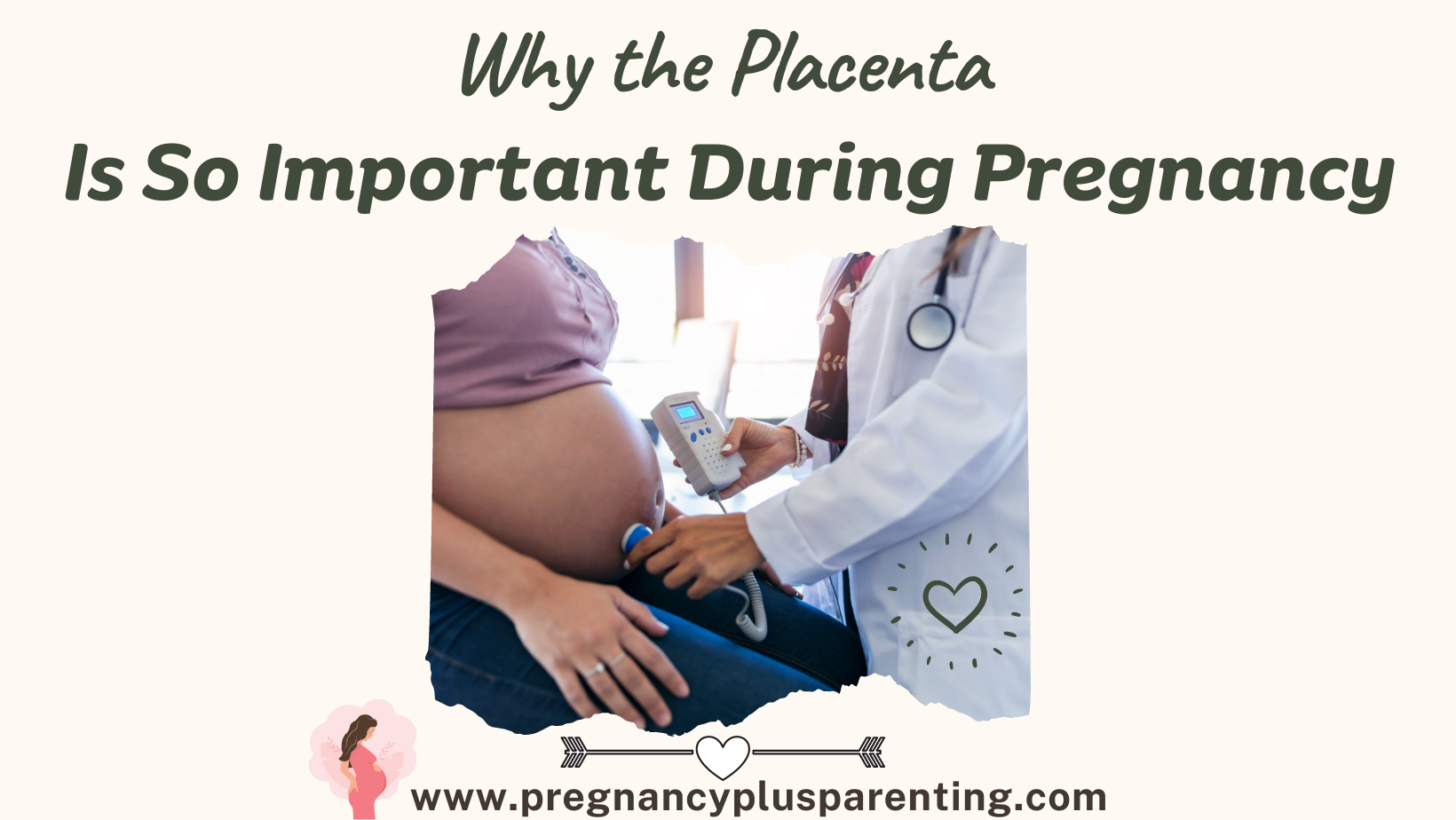
The Third Stage of Labor — Delivering the Placenta
What most people don’t realize is that labor has three stages, and you still have one to go after the baby arrives. The third stage is the delivery of the placenta, which typically occurs within 5–30 minutes after birth. Your uterus continues contracting to separate and expel the placenta from the uterine wall.
If you chose to have a physiological (unmanaged) third stage, this process happens naturally. If you received an oxytocin injection — which is routinely offered in most hospitals to reduce the risk of postpartum hemorrhage — the third stage is typically faster. Either way, delivering the placenta is usually much less intense than delivering the baby, though you will still feel contractions and some pressure.
Your care team will examine the placenta after delivery to confirm it is complete — retained placental fragments can cause significant bleeding and infection and require medical management.
Uterine Massage and Fundal Checks
Immediately after delivery, your nurse or midwife will begin performing regular uterine massage — pressing firmly on your abdomen to encourage the uterus to contract and reduce bleeding. This is not gentle. Many women are surprised by how uncomfortable fundal massage is in the immediate postpartum period, particularly when they expected the pain of labor to be behind them.
These checks continue regularly in the first hours after delivery and are essential for monitoring for postpartum hemorrhage, which is the leading cause of maternal mortality worldwide. The uterus needs to remain firmly contracted — what midwives call “a good firm fundus” — to prevent excessive bleeding from the site where the placenta was attached.
Perineal Assessment and Repair
If you had a vaginal delivery, your provider will assess your perineum — the area between the vagina and the anus — for lacerations (tears) and repair any that require stitching. Perineal tears are extremely common and are graded by severity.
A first-degree tear involves only the skin and is often minor enough not to require suturing. A second-degree tear extends into the muscle of the perineum and is the most common type, typically requiring stitches that dissolve over the following weeks. A third-degree tear extends into the anal sphincter muscle, and a fourth-degree tear goes through the anal sphincter into the rectal lining. Third and fourth-degree tears — collectively called obstetric anal sphincter injuries (OASI) — are more serious, require careful surgical repair, and need specific follow-up to monitor healing and function.
The repair is performed while you are still in the birthing room, typically with local anesthetic if an epidural is no longer in effect. The sutures used are dissolvable and do not need to be removed.
The First Postpartum Void
At some point in the first few hours after delivery, you will be encouraged to urinate. This is more significant than it sounds. After a vaginal delivery, the urethra and bladder can be temporarily affected by the trauma of delivery, and the sensation of needing to urinate may be absent or reduced. It is essential to empty the bladder, however, because a full bladder prevents the uterus from contracting properly and increases bleeding risk.
Urinating for the first time after delivery is often uncomfortable, particularly if there is perineal swelling or sutures. Pouring warm water over the perineum while voiding — using the squirt bottle that most hospitals provide — reduces the burning sensation significantly and is one of the most practically useful postpartum tips in the entire recovery period.
If you are unable to urinate within four to six hours of delivery, or if you cannot empty your bladder fully, a catheter may be temporarily placed to prevent urinary retention.
Postpartum Bleeding: Lochia
One of the most consistent and longest-lasting postpartum experiences is lochia — the postpartum vaginal discharge that consists of blood, mucus, and uterine tissue as the uterus sheds its lining and heals from the inside.
Lochia has three distinct phases. Lochia rubra is the initial phase, lasting approximately the first three to five days. It is bright to dark red, may contain small clots, and is often described as a heavier-than-normal period. The flow is typically heaviest in the first 24 hours and gradually decreases in volume over the first several days.
Lochia serosa follows from approximately days four to ten. The color shifts from red to pink or brownish, the consistency becomes more watery and mucousy, and the volume continues to decrease. This phase indicates that the most acute phase of uterine healing is complete.
Lochia alba is the final phase, beginning around day ten and continuing until approximately four to six weeks postpartum. It is yellowish to white in color, minimal in volume, and represents the final stages of uterine healing.
The total duration of lochia is highly variable. Most women experience some discharge for four to six weeks, though it may stop and start, and may increase temporarily with physical activity or breastfeeding.
Breastfeeding causes the release of oxytocin, which stimulates uterine contractions — this is why many breastfeeding women notice increased flow or cramping during or after nursing, particularly in the first week. These afterpains, while uncomfortable, are actually a sign that the uterus is contracting effectively and returning to its pre-pregnancy size.
When to Be Concerned
Certain changes in lochia warrant immediate medical attention. Soaking through more than one thick pad per hour for two consecutive hours indicates excessive bleeding and requires emergency evaluation. Passing clots larger than a golf ball is concerning. If lochia that has been lightening suddenly becomes bright red and heavy again — particularly after a period of rest — this warrants a call to your provider. Foul-smelling lochia, particularly when accompanied by fever, suggests infection and needs prompt evaluation.
The Postpartum Uterus: Involution
The uterus at full term weighs approximately one kilogram — roughly 20 times its pre-pregnancy weight — and has expanded from the size of a pear to accommodate a full-term baby. After delivery, it must return to something close to its original size through a process called involution.
Involution happens through continuous uterine contractions that compress the blood vessels at the placental site, reducing bleeding, and progressively shrink the uterine muscle. This process takes approximately six weeks for the uterus to return to close to its pre-pregnancy size and weight, though it never returns to its exact original dimensions.
In the first day postpartum, the top of the uterus (the fundus) is typically at the level of the navel. It descends by approximately one centimeter per day thereafter, becoming nonpalpable from the outside by approximately day ten to fourteen.
The cramping associated with involution — afterpains — varies significantly in intensity. First-time mothers often experience mild afterpains. Women who have given birth before tend to experience more intense afterpains with each subsequent delivery because the uterine muscle has to work harder to maintain tone. Breastfeeding intensifies afterpains, as noted above, due to oxytocin release. For some women in the first few days, afterpains can be as intense as labor contractions. Over-the-counter pain relief — acetaminophen or ibuprofen, if not contraindicated — is appropriate and effective for managing afterpains.
Perineal Recovery After Vaginal Delivery
For women who had a vaginal delivery, the perineum is the most acutely uncomfortable part of the postpartum body in the first days and weeks. Even without significant tearing, the perineum sustains significant stretching and pressure during delivery that results in bruising, swelling, and soreness.
With sutures, the discomfort is amplified. The area may feel tight, tender, itchy as healing begins, and occasionally stabbing with movement. Sitting, standing from sitting, walking, and using the bathroom all become navigated activities in the early days.
What Helps Perineal Healing
Ice packs in the first 24–48 hours are one of the most effective ways to reduce perineal swelling and pain. Many hospitals provide perineal ice packs, and you can make your own by filling a latex glove with water and freezing it or by wrapping ice in a cloth. The ice should not be applied directly to skin — always use a barrier — and should be applied for 20-minute intervals.
A peri bottle — a small squirt bottle filled with warm water — is used to rinse the perineum gently after every bathroom visit. This keeps the area clean, reduces discomfort when urinating over sutures, and is one of the most unanimously endorsed postpartum tools. Use it every time you use the toilet until the discomfort has resolved.
Sitz baths — shallow warm water baths that immerse only the hips and perineum — can begin once you are comfortable moving to the bathroom and provide significant relief from perineal discomfort. Some providers add Epsom salts or herbal sitz bath preparations, though plain warm water is also effective. Sitz baths can be done in the bathtub or using a small sitz bath basin that sits on the toilet seat.
Witch hazel pads placed against the perineum offer anti-inflammatory and astringent properties that reduce swelling and provide cooling comfort. They are widely available, inexpensive, and safe for postpartum use. Many women layer them with standard pads for continuous relief between bathroom trips.
Topical anesthetic sprays containing benzocaine — such as Dermoplast — are commonly used in the immediate postpartum period for perineal pain and are included in many hospital postpartum kits. They provide temporary local numbing that makes the first bathroom trips significantly more manageable.
Stool softeners are not optional in the postpartum period — they are essential. The first postpartum bowel movement is one of the most anxiety-inducing events of the recovery period, and for good reason. The combination of perineal soreness, sutures, hemorrhoids, and the generalized physical rawness of the area makes the prospect of straining genuinely alarming. Docusate sodium (Colace) or similar stool softeners, combined with adequate hydration and fiber intake, make the first bowel movement manageable. Many providers prescribe them automatically. If yours doesn’t, ask.
Healing Timeline
First and second-degree tears and episiotomies typically heal within two to three weeks, though the area may remain tender for several weeks beyond that. Third and fourth-degree tears take longer — often six to twelve weeks for the initial healing, with ongoing recovery of muscle function that may take six months to a year and benefits significantly from pelvic floor physiotherapy.
The sutures dissolve gradually over the healing period. It is normal to notice small pieces of suture material in the area or on your pad as they break down. If you notice the wound opening, significant new bleeding, increasing rather than decreasing pain, pus, or foul smell, contact your provider — these are signs of wound dehiscence or infection.
Cesarean Section Recovery
Recovery from a cesarean section is recovery from major abdominal surgery, and it deserves to be treated as such. The cultural tendency to minimize cesarean recovery — to treat it as somehow less than vaginal birth recovery — is not only inaccurate but actively harmful, because it leads women to underestimate what their body needs and to push themselves too hard too soon.
A cesarean involves incisions through seven layers of tissue: skin, subcutaneous fat, the anterior rectus sheath (connective tissue), the rectus abdominis muscles (separated, not cut), the peritoneum (the lining of the abdominal cavity), the lower uterine segment, and the amniotic sac. Each of these layers is then sutured or stapled closed, and the healing of each layer is part of the recovery process.
The Immediate Postoperative Period
You will be in the recovery room for approximately one to two hours after a cesarean while the surgical anesthesia wears off and vital signs are monitored. Feeling begins returning to your lower body during this time, starting with tingling and progressing to sensation and then movement. Many women also experience shaking or shivering in the immediate post-operative period — this is a normal response to the anesthesia and the physiological stress of surgery and passes relatively quickly.
Pain management in the immediate postoperative period typically involves the pain relief given through the spinal or epidural during surgery — often including long-acting opioids that provide several hours of coverage — as well as scheduled oral and intravenous medication. Adequate pain control in the early postoperative period is important not only for comfort but for recovery — well-controlled pain allows you to breathe deeply, move appropriately, and care for your baby.
A urinary catheter is placed during the surgery and typically remains for 12–24 hours afterward. When it is removed, it is important to urinate within the following few hours to ensure bladder function has returned normally.
The Incision
The cesarean incision is almost always a horizontal (transverse) incision made low on the abdomen, just above or within the hairline. It is known as a Pfannenstiel incision or bikini-cut incision. The skin is typically closed with dissolvable sutures, staples that are removed before discharge, or surgical glue.
The incision is approximately 10–15 centimeters long and will be initially covered with a dressing. Once the dressing is removed, you will be instructed to keep it clean and dry, to monitor it for signs of infection, and to protect it from waistbands and clothing that might rub against it.
Numbness and altered sensation around and below the incision site is extremely common and can persist for months or even permanently in some women. This occurs because the superficial nerves of the skin are disrupted during surgery, and nerve regeneration is slow and incomplete. Some women describe a permanent band of numbness or hypersensitivity above the scar. Others notice that the scar area feels tight or puckered, or that there is a small overhanging fold of skin above the scar — sometimes called a c-shelf or c-section shelf — which is caused by the skin and tissue above the incision sitting over the scar. This is normal, very common, and does not indicate anything abnormal about healing.
Recovery at Home
The first week after a cesarean at home is typically the most challenging. Pain is managed with a combination of acetaminophen and ibuprofen — both of which are safe for breastfeeding — and sometimes a short course of opioid medication for breakthrough pain. Taking the pain medication on a schedule rather than waiting until pain is severe is more effective and uses less total medication.
Lifting restrictions are one of the most important aspects of cesarean recovery. For the first six weeks, the general guidance is to lift nothing heavier than your baby. This means no carrying car seats, no lifting toddlers, no moving laundry baskets. The reasoning is that the internal layers of the repair — particularly the uterine and fascial closures — need six weeks of reduced load to heal properly. Lifting too heavy too soon significantly increases the risk of wound breakdown and internal complications.
Driving is restricted until you can perform an emergency stop without hesitation or pain — which typically takes three to six weeks. You should not drive while taking opioid pain medication. Being a passenger in a car is fine as soon as you are discharged.
Stairs are manageable almost immediately, but should be approached slowly and with support in the early days. Many women find it easier to limit trips up and down stairs in the first week to reduce effort and discomfort.
The scar will go through a predictable healing process over the following months. Initially red or pink, it will gradually fade to a silvery or skin-toned line over 12–18 months. Some women develop keloid or hypertrophic scarring, which is raised, thickened scar tissue. Scar massage — gentle circular massage of the healed scar beginning around six to eight weeks postpartum, once the scar is fully closed — has good evidence for improving scar texture, reducing tightness, and preventing adhesions between the scar tissue and the underlying layers. A pelvic floor physiotherapist can teach you scar massage technique and assess for adhesions that may affect movement or sensation.
Postpartum Hormonal Changes
The hormonal crash of the immediate postpartum period is among the most dramatic hormonal shifts in human physiology, and understanding it is essential for making sense of what your body and mind go through in the days and weeks after delivery.
The Estrogen and Progesterone Crash
During pregnancy, estrogen and progesterone levels rise to extraordinary heights — estrogen levels in the third trimester are roughly 100 times higher than during a normal menstrual cycle. Within 24 hours of delivering the placenta — the organ that produces the majority of these hormones during pregnancy — both estrogen and progesterone drop precipitously to levels lower than at any point during the pregnancy, and in some cases lower than pre-pregnancy baseline.
This hormonal freefall is the primary driver of postpartum mood vulnerability. The brain has spent nine months adapting to an environment of very high estrogen and progesterone, and the sudden withdrawal of these hormones is neurologically significant. It affects serotonin systems, dopamine pathways, GABA receptors, and the overall mood-regulating architecture of the brain.
The result, for most women, is some version of postpartum emotional vulnerability — tearfulness, emotional sensitivity, mood swings — in the days immediately following birth. When this is mild and resolves within two weeks, it is called the baby blues and is experienced by approximately 70–80% of new mothers. It is normal, expected, and self-resolving.
When the emotional disruption is more severe, more persistent, or involves symptoms beyond tearfulness and mood swings — including persistent low mood, inability to bond with the baby, intrusive thoughts, severe anxiety, or any thoughts of self-harm — it may indicate postpartum depression or another postpartum mood disorder, which requires professional support.
The Role of Prolactin and Oxytocin
If you are breastfeeding, two additional hormones significantly shape your postpartum experience. Prolactin — the hormone that drives milk production — is elevated in breastfeeding women and has a suppressive effect on estrogen, which is why breastfeeding often suppresses menstruation and can affect libido and vaginal lubrication. Prolactin also has a calming, bonding effect that contributes to the emotional attunement many breastfeeding mothers report.
Oxytocin — released with every feeding — is the bonding hormone, and it has profound effects on emotional connection, stress regulation, and wellbeing. Many women describe the emotional experience of nursing in terms that emphasize calm, attachment, and a sense of deep connection. The flip side is that oxytocin released during nursing also causes significant uterine contractions — the source of afterpains during breastfeeding — and that some women experience a phenomenon called dysphoric milk ejection reflex (D-MER), an involuntary wave of negative emotion that occurs in the seconds before or during milk letdown, believed to be caused by a brief drop in dopamine as prolactin rises. D-MER is real, it is documented, and if you experience it you are not imagining it — speak with your provider or a lactation consultant.
Night Sweats and Body Temperature Changes
One of the most universally surprising postpartum physical experiences is the night sweats — drenching, sheets-soaking night sweats that can be so intense they require changing clothes and bedding in the middle of the night.
These are caused directly by the postpartum drop in estrogen. Estrogen plays a role in thermoregulation, and its rapid decline disrupts the body’s temperature control system in a way that is similar to what happens during menopause — the vasomotor symptoms of hot flashes and sweating that menopausal women experience have the same underlying mechanism as postpartum night sweats. The body is also eliminating the excess fluid retained during pregnancy — approximately four to six liters of extra fluid that needs to leave via sweat, urine, and respiration.
Postpartum night sweats are normal, common, and temporary. They typically peak in the first week postpartum and resolve by two to four weeks. Managing them practically means sleeping on absorbent layers, keeping the bedroom cool, staying well hydrated to replace fluid being lost, and wearing loose, breathable clothing to bed.
Postpartum Hair Loss
At approximately three months postpartum — give or take — many women begin losing hair in quantities that feel genuinely alarming. Clumps in the shower drain. Handfuls on the brush. Hair everywhere in a way that seems impossible to square with the impossibility of having anything left on your head.
This is called postpartum telogen effluvium, and it is a normal, predictable consequence of pregnancy’s effect on the hair growth cycle. During pregnancy, elevated estrogen prolongs the active growth phase (anagen phase) of the hair cycle, which is why many women enjoy thicker, more lustrous hair during pregnancy. After delivery and the estrogen drop, a large proportion of those hairs simultaneously enter the resting and shedding phase (telogen phase), producing the dramatic shedding that begins around month three.
The hair loss typically peaks around three to four months postpartum and resolves by six to twelve months in most women. The hair regrows, though the regrowth phase — during which many women have a halo of shorter, baby-like hairs around their hairline — can be aesthetically frustrating.
There is no treatment that prevents or significantly accelerates resolution of postpartum hair loss — it is a normal physiological process. Ensuring adequate nutrition — particularly adequate protein, iron, and zinc — supports the regrowth phase. Volumizing shampoos and gentle hair care can manage the appearance while the cycle resolves.
If hair loss is severe and does not begin improving by six months postpartum, or if it is accompanied by other symptoms like fatigue, weight changes, or cold intolerance, thyroid function should be checked. Postpartum thyroiditis — an inflammatory condition affecting the thyroid — is relatively common postpartum and can present with hair loss among other symptoms.
Breast Changes
Whether you choose to breastfeed or not, your breasts will undergo significant changes in the postpartum period that deserve preparation.
Milk Coming In
In the first two to three days postpartum, the breasts produce colostrum — a thick, yellow, nutrient-dense early milk that is rich in antibodies and exactly what the newborn needs in the first days of life. Between days two and five (sometimes a day or two later for cesarean deliveries), the mature milk comes in, and this transition is often dramatic.
Engorgement — the intense fullness, firmness, and sometimes painful swelling of the breasts when milk first arrives — is one of the most universally described postpartum physical experiences. The breasts become visibly larger, very firm, warm, and often quite tender. This typically lasts for 24–48 hours as supply and demand begin to regulate.
Management of engorgement includes frequent nursing or pumping to relieve pressure, warm compresses or a warm shower before feeding to encourage letdown, cold compresses between feedings to reduce swelling and discomfort, and gentle massage. Cabbage leaves — cold, applied inside a bra — are a traditional remedy for engorgement that has a modest evidence base for reducing swelling and discomfort.
If You Are Not Breastfeeding
If you have chosen not to breastfeed, or cannot breastfeed, milk will still come in. The breasts do not know in advance what the feeding plan is — they respond to hormonal signals from the body regardless of intent. Managing milk coming in without nursing or pumping means tolerating the engorgement while your body recognizes the absence of demand and gradually reduces supply. This typically takes several days to a week or two.
The standard guidance for suppressing milk supply is to wear a supportive, well-fitting bra, apply cold compresses for comfort, use over-the-counter pain relief as needed, and avoid any stimulation of the nipples, which would signal continued demand. Do not bind the breasts tightly — this was once recommended but is now known to increase the risk of mastitis.
Mastitis
Mastitis is an infection of the breast tissue that can develop when milk becomes backed up in the ducts — from engorgement, a poor latch that prevents complete drainage, a blocked duct, or bacteria entering through a cracked nipple. It produces flu-like symptoms — fever, chills, body aches — combined with a hot, red, tender area of the breast.
Mastitis requires antibiotic treatment and should not be managed with home remedies alone. Continuing to nurse or pump from the affected breast is recommended, as emptying the breast helps clear the infection. A plugged duct that is not clearing with massage, frequent feeding, and warm compresses can also progress to mastitis, so it deserves prompt attention.
Postpartum Pelvic Floor Recovery
The pelvic floor is a complex network of muscles, ligaments, and connective tissues that forms the base of the pelvis and supports the uterus, bladder, and bowel. During pregnancy and vaginal delivery, the pelvic floor sustains significant stretching, compression, and in some cases tearing, that requires deliberate rehabilitation.
Urinary leakage — particularly with coughing, sneezing, laughing, or exercise — is extremely common postpartum and affects up to 50% of women after vaginal delivery. While common, it is not normal in the sense of being inevitable or untreatable. Pelvic floor rehabilitation, ideally with a specialized pelvic floor physiotherapist, is effective for resolving or significantly reducing urinary incontinence in most women.
Urgency — the sudden, intense urge to urinate that is difficult to defer — is also very common postpartum and represents a different aspect of pelvic floor dysfunction from stress incontinence. It often responds to bladder retraining and pelvic floor physiotherapy.
Prolapse — the descent of pelvic organs (bladder, uterus, rectum) into or through the vaginal canal — affects a significant proportion of women after vaginal delivery. Mild prolapse is extremely common and may not cause any symptoms. More significant prolapse can produce a sensation of heaviness or pressure in the pelvis, a feeling of something bulging at the vaginal opening, incomplete bladder or bowel emptying, or discomfort with intercourse. Pelvic floor physiotherapy is the first-line treatment for prolapse and is effective for many women.
Pelvic floor physiotherapy postpartum is not a luxury for women with severe dysfunction — it is appropriate and beneficial for virtually all women who have delivered a baby, and it should ideally be a standard part of postpartum care. A pelvic floor physiotherapist will assess the strength, coordination, and function of your pelvic floor — including the ability to both contract and relax, which are equally important — and provide a personalized rehabilitation program.
The timing for beginning pelvic floor rehabilitation varies. In the acute postpartum period, gentle pelvic floor activation can often begin as early as the first day or two after delivery, if it is comfortable. A formal assessment with a physiotherapist is typically most appropriate at around six weeks, though some practitioners see women earlier. If you are in a country where this is not routinely offered, advocate for a referral — it is one of the most valuable investments in your long-term health and quality of life.
Postpartum Sex and Intimacy
The traditional guidance of waiting six weeks before resuming sexual intercourse is a starting point, not a finish line, and it applies to penetrative sex specifically — not to all forms of intimacy.
Why six weeks? The six-week mark is used because it approximately corresponds to the healing of the uterine lining at the placental attachment site, the resolution of lochia, and the initial healing of perineal tears or cesarean incisions. It does not mean that everything will feel normal or comfortable at six weeks — for many women, it does not.
The reality of postpartum sex is complicated by several overlapping factors. Physical healing may still be ongoing at six weeks, particularly for women with more significant tears or cesarean section recovery. Low estrogen in the postpartum period — particularly in breastfeeding women, where estrogen suppression from prolactin is significant — causes vaginal dryness and thinning of the vaginal walls (gestationally equivalent to menopause-related changes) that can make penetrative sex genuinely uncomfortable or painful.
Pelvic floor tension or dysfunction, particularly if there is scar tissue from tearing, can contribute to dyspareunia (painful intercourse) that may not be fully addressed until pelvic floor rehabilitation is undertaken. Many women experience vaginismus — involuntary tightening of the vaginal muscles — in the postpartum period, particularly if there has been pain associated with previous attempts at sex.
Psychological factors are equally significant. Exhaustion, sleep deprivation, changing body image, the neurological and emotional demands of caring for a newborn, and the adjustment of identity from individual to parent all affect libido and readiness for intimacy in ways that are entirely legitimate and deserve acknowledgment.
The honest answer to when postpartum sex will feel good again is: it varies enormously, there is no fixed timeline, and if it is painful — at any point — that deserves assessment rather than silent endurance. Generous use of vaginal lubricant is appropriate and helpful from the first attempt. A water-based lubricant is safe for both vaginal tissue and any barrier contraception used. If pain persists despite adequate lubrication and adequate healing time, a referral to a pelvic floor physiotherapist is warranted and often transformative.
Postpartum Mental Health
No postpartum physical guide is complete without a substantive discussion of mental health, because the two are inseparable.
Baby Blues
As noted above, baby blues — characterized by tearfulness, emotional sensitivity, mood swings, and feeling overwhelmed — affect approximately 70–80% of new mothers in the first two weeks postpartum. They are driven primarily by the hormonal crash of the immediate postpartum period and are self-resolving. Symptoms that persist beyond two weeks, or that are more severe than occasional tearfulness, should be discussed with a provider.
Postpartum Depression
Postpartum depression affects approximately 1 in 7 new mothers — making it the most common complication of childbirth and far more prevalent than most people realize. It can begin any time in the first year postpartum — not just in the first weeks — and can affect women who had uncomplicated births, wanted pregnancies, and no prior history of depression.
Symptoms of postpartum depression include persistent low mood or sadness lasting most of the day for more than two weeks, loss of pleasure in things previously enjoyed, changes in appetite and sleep beyond what a newborn demands, feelings of worthlessness, guilt, or failure as a mother, difficulty concentrating or making decisions, withdrawal from relationships, difficulty bonding with the baby, and in more severe cases, thoughts of self-harm or harm to the baby.
Postpartum depression is not a character flaw, not a reflection of how much you love your baby, not a sign of weakness, and not something to push through alone. It is a clinical condition with identifiable biological underpinnings and effective treatments, including therapy, medication, and peer support. Untreated postpartum depression is harmful — to the mother, to her relationships, and to the baby’s development. Treatment is not optional if the symptoms are significant.
If you think you might be experiencing postpartum depression, please tell your provider at your next appointment or call them before that appointment. If you are having thoughts of harming yourself or your baby, please seek help immediately.
Postpartum Anxiety
Postpartum anxiety is as common as postpartum depression and less frequently discussed. It manifests as persistent, excessive worry — about the baby’s health, about whether you are doing things correctly, about something terrible happening — that is difficult to interrupt or control, and that may be accompanied by physical symptoms of anxiety like racing heart, shortness of breath, and dizziness. Panic attacks are also common in the postpartum period.
Intrusive thoughts — unwanted, disturbing thoughts about harm coming to the baby — affect a significant proportion of new parents and represent a feature of anxiety rather than a desire or intention to harm. If you are experiencing intrusive thoughts that cause you significant distress, please speak with your provider. They are common, they are treatable, and they are not a reflection of your character or fitness as a parent.
Postpartum PTSD
Birth trauma — whether from an objectively difficult birth or from the subjective experience of feeling unheard, unsafe, or out of control during delivery — can result in postpartum post-traumatic stress disorder in some women. Symptoms include flashbacks and intrusive memories of the birth, avoidance of reminders of the birth, hypervigilance, sleep disturbance, and emotional numbing. If you experienced birth as traumatic, regardless of whether others around you viewed it as such, your experience is valid and deserves professional support.
Postpartum Nutrition and Hydration
Your body’s nutritional needs postpartum are as significant as during pregnancy — in some respects more so if you are breastfeeding. The demands of healing, milk production, and managing the physical depletion of late pregnancy and delivery make postpartum nutrition genuinely important, even when the exhaustion of new parenthood makes eating feel like an afterthought.
Protein is essential for tissue healing — including perineal repair, cesarean scar healing, and uterine involution. Aim for adequate protein at every meal. Iron needs attention, particularly if you experienced significant blood loss during delivery. Fatigue, pallor, and breathlessness that seem excessive even accounting for sleep deprivation should prompt a conversation with your provider about checking your hemoglobin.
Hydration is particularly critical for breastfeeding women, who need significantly more fluid than non-breastfeeding women. A practical strategy is to drink a glass of water every time you sit down to nurse. Keep a large water bottle within reach wherever you feed the baby.
Fiber and hydration together are the most important dietary factors for managing postpartum constipation — which is extremely common due to the combination of pain medication (many of which are constipating), reduced physical activity, fear of bearing down with perineal stitches, and the general slowing of the digestive system that accompanies the early postpartum period. Prunes, dried figs, whole grains, legumes, vegetables, and generous fluids all support bowel regularity.
The Six-Week Postpartum Appointment — and Why It Is Not Enough
The six-week postpartum appointment is the standard checkpoint of postpartum care in many health systems, and it serves important functions — assessing wound healing, discussing contraception, screening for postpartum depression, and clearing women for activity including exercise and sex.
What it does not do is comprehensively address the full spectrum of postpartum recovery. A single appointment at six weeks cannot adequately assess pelvic floor function, scar healing progress, the full picture of mental health, the resolution of physical symptoms that are still evolving at six weeks, or the many questions and concerns that arise in the months beyond the first six weeks.
Increasingly, professional organizations including ACOG are advocating for a more comprehensive postpartum care model — one that includes contact in the first two to three weeks, a thorough visit at six weeks, and ongoing support in the months beyond, recognizing that postpartum recovery is not a six-week process.
If you have concerns between appointments, call your provider. If something doesn’t feel right at six weeks, say so rather than assuming it is normal because you’ve reached the official milestone. If your six-week appointment does not include a discussion of pelvic floor function, ask for one or request a referral to a pelvic floor physiotherapist. Advocate for the comprehensive postpartum care you deserve — because postpartum care is maternal care, and you matter as much as your baby does.
The Longer Arc of Recovery
Here, finally, is the truth that postpartum guidance often fails to communicate clearly. Recovery from childbirth is not a six-week process. In many dimensions, it is a six-month process. In some dimensions — scar healing, pelvic floor rehabilitation, hormonal normalization, rebuilding deep core function, processing the emotional experience of birth — it can extend to a year or beyond.
This does not mean you will feel broken or impaired for a year. Most women feel significantly better by three to four months postpartum and increasingly well in the months that follow. But the cultural expectation — reinforced by inadequate maternity leave policies, insufficient postpartum care, and the pervasive narrative that the “bounce back” is both possible and desirable — that women should be fully recovered, physically and emotionally, by six weeks is not just unrealistic. It is harmful, because it leads women to measure their recovery against an impossible standard and to interpret the completely normal challenges of the first six months as evidence of personal failure.
You grew a human being. You birthed that human being. Your body was fundamentally changed by that process and is now engaged in one of the most complex recovery processes in human physiology, while simultaneously being asked to sustain the survival of a newborn and navigate the largest identity shift of your life.
Give yourself the time your body actually needs. Seek care for every concern, not just the dramatic ones. Build the support network that makes recovery possible. Rest when you can, move when it helps, eat and drink in ways that support healing, and extend yourself the compassion you would offer without hesitation to any other person going through what you are going through.
What you did was extraordinary. How you recover deserves to be taken seriously.