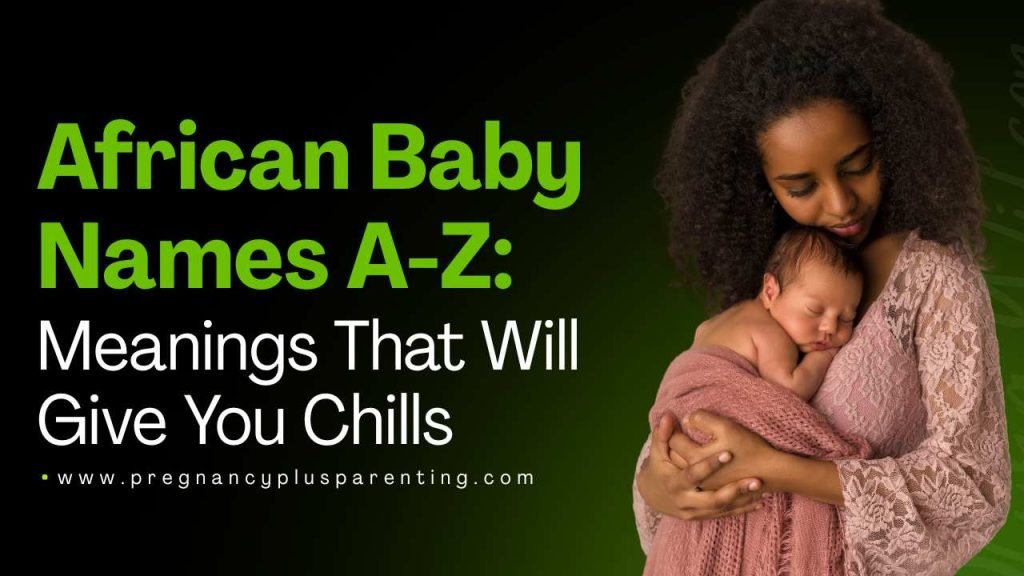

Africa is not a country—it’s a continent of 54 nations, over 3,000 ethnic groups, and more than 2,000 languages. It’s the cradle of humanity, where our ancestors first stood upright and looked at the stars, wondering. It’s deserts that stretch beyond sight, rainforests pulsing with life, savannas where lions still roam free, and mountains touching clouds that have never known pollution.
And its names? They’re not just beautiful sounds strung together. They’re prophecies. Prayers. Histories. Battles won and lost. Ancestors honored. Destinies declared. When an African parent names their child, they’re not just choosing something that sounds nice—they’re speaking their child’s future into existence, wrapping them in meaning so powerful it can shape a life.
These names carry the weight of kingdoms that rose and fell before Europe knew how to read. They hold the wisdom of griots who memorized a thousand years of history. They pulse with the rhythm of drums that spoke across distances, the melodies of songs that sustained people through unspeakable hardship, and the resilience of cultures that refused to die no matter what tried to kill them.
Prepare yourself. These aren’t the watered-down, simplified names you might have encountered elsewhere. These are names with soul, spirit, and power. Names that make you pause and think. Names that demand to be understood, not just pronounced. Names that will, quite literally, give you chills when you learn what they truly mean.
Let’s journey through the alphabet, across a continent, through languages and cultures as diverse as humanity itself.
A – Ancestral Power
Amara (Girl) – Igbo (Nigeria) meaning “grace” or “mercy.” But in the Igbo worldview, grace isn’t passive—it’s active divine favor, the kind that turns impossible situations around. Amara is the child who shouldn’t have survived but did, the blessing that defies explanation, the mercy that changes everything.
Ajani (Boy) – Yoruba (Nigeria) meaning “he who wins the struggle” or “the victor.” Not someone who avoided the fight—someone who went through hell and came out holding the trophy. Ajani is born fighter, destined to overcome, the one who makes victory look inevitable only because you didn’t see the battle.
Ayana (Girl) – Swahili/Ethiopian meaning “beautiful flower” or “mirror.” But in deeper context, it suggests reflection—a child who reflects the beauty of their heritage, who mirrors the best of what came before. Ayana is legacy made visible, ancestry flowering in the present.
Azizi (Boy) – Swahili meaning “precious” or “treasure.” In cultures where children were sometimes named based on circumstances—famine, war, loss—to name a child “precious” is a declaration that despite everything, this life matters infinitely.
Asha (Girl) – Swahili meaning “life” or “hope.” Hope isn’t wishful thinking in African contexts—it’s defiant optimism, the stubborn belief that tomorrow will be better because we’ll make it so. Asha is hope as action, life as resistance, existence as rebellion against despair.
B – Born for Greatness
Biko (Boy) – Igbo (Nigeria) meaning “seek” or from Steve Biko, the South African anti-apartheid activist. Biko carries the weight of martyrdom, of standing for truth until it kills you, of being so right that history has no choice but to vindicate you.
Bathabile (Girl) – Zulu (South Africa) meaning “they are happy” or “source of happiness.” This child is joy incarnate, the one whose arrival turned sorrow into celebration, whose existence makes everyone around them smile without trying.
Baraka (Unisex) – Swahili meaning “blessing” or “divine favor.” Not a blessing you receive passively—a blessing so powerful it radiates from you, changing everyone you touch. Baraka is benediction made flesh.
Bamidele (Boy) – Yoruba (Nigeria) meaning “follow me home” or “accompany me home.” Often given to children born after several deaths, this name is parents begging this child to stay, to live, to not join the ancestors too soon. It’s heartbreak and hope in one name.
Busara (Girl) – Swahili meaning “wisdom” or “intelligence.” Not book smarts—life wisdom, the kind that comes from listening to elders, observing carefully, understanding that knowledge without wisdom is just noise. Busara is the child who thinks before speaking, who sees what others miss.
C – Crowned in Meaning
Chiamaka (Girl) – Igbo (Nigeria) meaning “God is beautiful” or “God is splendid.” When you look at this child, you should see evidence of divine artistry, proof that God creates beautiful things. Chiamaka is walking testimony to the divine aesthetic.
Chimamanda (Girl) – Igbo (Nigeria) meaning “my God will not fail” or “my personal god will never fail me.” This is faith weaponized, certainty that no matter what happens, divine protection is guaranteed. Chimamanda is trust made unshakeable.
Chidi (Boy) – Igbo (Nigeria) meaning “God exists” or “there is a God.” Often given in response to skeptics or difficult circumstances. Chidi is living proof, walking apologetics, existence that argues for the divine simply by being.
Candace (Girl) – Ancient Ethiopian royal title (Kandake) meaning “queen mother” or “queen.” Not a pretty princess—a ruler, a warrior-queen who led armies. Candace is monarchy, power, sovereignty in female form.
Chima (Boy) – Igbo (Nigeria) meaning “God knows” or “God knows best.” When life makes no sense, when tragedy strikes randomly, this name is submission to divine wisdom beyond human understanding. Chima is acceptance without resignation.
D – Destined and Divine
Dalmar (Boy) – Somali meaning “versatile” or “flexible.” In nomadic cultures where survival requires adaptation, versatility isn’t optional—it’s life or death. Dalmar is the child who can thrive anywhere, adapt to anything, survive what breaks others.
Dayo (Unisex) – Yoruba (Nigeria) meaning “joy arrives” or “joy has come.” After sorrow, after waiting, after loss—finally, joy. This child is the answer to prayers, the ending of mourning, the beginning of celebration. Dayo is joy’s arrival made tangible.
Desta (Unisex) – Ethiopian (Amharic) meaning “happiness” or “joy.” Simple word, profound impact. In cultures that have endured colonialism, famine, war—to name a child “happiness” is revolutionary optimism.
Dumisani (Boy) – Zulu/Xhosa (South Africa) meaning “praise” or “give praise.” This child’s very existence demands thanksgiving, requires gratitude, calls for celebration. Dumisani is living reason to praise.
Dalila (Girl) – Swahili meaning “gentle” or “delicate.” But don’t mistake gentleness for weakness—this is the strength of water wearing down stone, the power of persistence, force that doesn’t announce itself but accomplishes everything.
E – Eternal and Elevated
Ekene (Unisex) – Igbo (Nigeria) meaning “praise” or “thanks.” Every time someone calls this name, they’re expressing gratitude. Ekene is walking thanksgiving, embodied appreciation, life that demands acknowledgment of blessings.
Eshe (Girl) – Swahili meaning “life” or “immortality.” Life not as biological function but as spiritual continuity—the understanding that we live on through children, through legacy, through the impact we make. Eshe is eternity through lineage.
Emeka (Boy) – Igbo (Nigeria) meaning “great deeds” or “one who has done great things.” This is prophetic naming—declaring at birth that this child will accomplish extraordinary things, speaking their future into existence. Emeka is destiny as declaration.
Enyinnaya (Boy) – Igbo (Nigeria) meaning “father’s friend” or “his father’s companion.” This child is blessing to the father, proof that a man has lived well enough to produce such a son. Enyinnaya is legacy, lineage, the father’s joy made visible.
Ebele (Girl) – Igbo (Nigeria) meaning “mercy” or “kindness.” In harsh circumstances, mercy is radical. Kindness becomes revolutionary. Ebele is choosing compassion when cruelty would be easier, extending grace when judgment would be justified.
F – Fire and Fortitude
Farai (Unisex) – Shona (Zimbabwe) meaning “rejoice” or “be happy.” Not a suggestion—a command. Despite circumstances, despite hardship, rejoice anyway. Farai is joy as defiance, happiness as resistance.
Folami (Boy) – Yoruba (Nigeria) meaning “respect and honor me” or “give me honor.” This is dignity demanded, not requested. Folami is self-respect taught from birth, a child who knows their worth before the world tries to tell them otherwise.
Femi (Boy) – Yoruba (Nigeria) meaning “love me” or “God loves me.” In the longer form “Olufemi,” it explicitly states divine love. Femi is the assurance of being loved, the security of knowing you’re cherished by the ultimate power.
Furaha (Girl) – Swahili meaning “happiness” or “delight.” Pure, simple joy. Furaha is the child who brings light into rooms, whose laughter is infectious, who makes life better just by existing.
Fola (Girl) – Yoruba (Nigeria) short for “Folashade” meaning “honor accompanies the crown” or “walk with honor.” Royalty isn’t just wearing a crown—it’s carrying yourself with dignity regardless of circumstances. Fola is nobility of character.
G – Grace and Glory
Gwandoya (Boy) – Luganda (Uganda) meaning “met with misery” or “suffered hardship.” This name doesn’t sugarcoat—it acknowledges that this child came during difficult times. But naming the hardship is the first step to transcending it. Gwandoya is trauma acknowledged and overcome.
Gugu (Girl) – Zulu/Xhosa (South Africa) meaning “treasure” or “precious one.” Double the syllable, double the emphasis—this child is doubly precious, worth protecting, invaluable. Gugu is treasure that can’t be priced.
Gyan (Boy) – Akan (Ghana) meaning “savior” or “deliverer.” This child will save someone, something, somehow. Whether literally or metaphorically, Gyan carries the weight of being someone’s salvation.
Graca (Girl) – Portuguese/Mozambican meaning “grace.” In Mozambique’s Portuguese-influenced culture, grace is both spiritual favor and elegant movement through difficulty. Graca is smooth navigation through rough waters.
Goitseone (Unisex) – Tswana (Botswana) meaning “God knows” or “known by God.” Similar to Chima but from a different culture—the universal African understanding that some things only God comprehends, and that’s enough.
H – Hope and Heritage
Halima (Girl) – Swahili/Arabic meaning “gentle” or “mild-tempered.” But in African Muslim contexts, it honors Halima, who nursed the Prophet Muhammad. Halima is nurturing strength, the power of gentleness, milk-mother wisdom.
Habib (Boy) – Swahili/Arabic meaning “beloved” or “lover.” This child is loved before birth, during life, and will be mourned when gone. Habib is love’s object, affection’s target, the center of familial devotion.
Hasani (Boy) – Swahili meaning “handsome” or “good.” Beauty in African contexts isn’t superficial—it’s wholeness, completeness, functioning as intended. Hasani is beautiful because he’s good, good because he’s beautiful—no separation.
Hlengiwe (Girl) – Zulu (South Africa) meaning “redeemed” or “rescued.” Someone or something was lost, then found. This child represents second chances, salvation, the victory of rescue over loss. Hlengiwe is redemption embodied.
Hodari (Boy) – Swahili meaning “capable” or “able.” Competence is survival. Ability is currency. Hodari is the child who can handle whatever comes, who has capacity for the demands life will make.
I – Invincible and Inspired
Imani (Girl) – Swahili meaning “faith” or “belief.” One of the seven principles of Kwanzaa. Imani is trust when there’s no evidence, belief when logic says quit, faith that moves mountains because mountains have no choice.
Idowu (Unisex) – Yoruba (Nigeria) meaning “born after twins.” In Yoruba culture, twins are special, and the child born after them has a specific role and destiny. Idowu is position in family constellation made identity.
Ifeoma (Girl) – Igbo (Nigeria) meaning “good thing” or “beautiful thing.” Not good as in obedient—good as in beneficial, positive, valuable. Ifeoma is the child who makes everything better by being part of it.
Iyanu (Unisex) – Yoruba (Nigeria) meaning “miracle” or “wonder.” This birth was unexpected, unlikely, or came after long waiting. Iyanu is the impossible made possible, the miraculous made mundane, wonder walking on earth.
Inioluwa (Unisex) – Yoruba (Nigeria) meaning “God’s treasure” or “wealth of God.” Not treasure we give to God—treasure God gives to us. This child is divine wealth transferred to human custody. Inioluwa is heaven’s deposit on earth.
J – Joy and Justice
Jabari (Boy) – Swahili meaning “brave” or “valiant.” Not fearless—brave. Feeling fear and acting anyway. Jabari is courage tested, bravery proven, valor demonstrated through action not words.
Jalila (Girl) – Swahili/Arabic meaning “great” or “exalted.” Greatness isn’t accidental—it’s destiny declared. Jalila will be significant, important, someone who matters. The name ensures it.
Jengo (Boy) – Swahili meaning “building” or “construction.” This child will build—literally or metaphorically. Families, businesses, communities, nations. Jengo is construction, the work of making what doesn’t exist.
Jendayi (Girl) – Shona (Zimbabwe) meaning “give thanks” or “thankful.” Gratitude isn’t passive politeness—it’s active acknowledgment of blessings, recognition that nothing is guaranteed, appreciation that makes more blessing flow.
Jelani (Boy) – Swahili meaning “mighty” or “powerful.” Power acknowledged at birth, strength declared from the beginning. Jelani is force, influence, the ability to change circumstances through will and action.
K – Kings and Keepers
Kunto (Girl) – Akan (Ghana) meaning “third child.” In cultures where birth order shapes identity and responsibility, being third means something specific. Kunto is position as personality, sequence as significance.
Kamau (Boy) – Kikuyu (Kenya) meaning “quiet warrior.” The most dangerous fighter is the one who doesn’t need to announce himself. Kamau is strength without bragging, power without performance, warrior wisdom.
Kazi (Girl) – Swahili meaning “work” or “duty.” Life is work. Survival is labor. Success is effort. Kazi is industriousness personified, the understanding that nothing worth having comes without cost.
Kofi (Boy) – Akan (Ghana) meaning “born on Friday.” Day-names are common in Akan culture. Each day has meaning, and being born on that day shapes destiny. Kofi is Friday’s child, carrying that day’s characteristics.
Kesia (Girl) – Swahili meaning “favorite” or from biblical Keziah meaning “cassia” (a cinnamon-like spice). Either way, Kesia is sweetness, the preferred one, the child who holds special place in hearts.
L – Legacy and Light
Lesedi (Unisex) – Tswana (Botswana) meaning “light.” In darkness—literal or metaphorical—light is everything. Lesedi is illumination, clarity, the end of confusion, guidance through darkness, hope made visible.
Latif (Boy) – Swahili/Arabic meaning “gentle” or “kind.” Gentleness in men is powerful—it’s strength under control, force that chooses restraint. Latif is masculine tenderness, power that protects rather than destroys.
Lethabo (Unisex) – Sotho (South Africa) meaning “happiness” or “joy.” Straightforward, honest joy. Lethabo is the child who makes others happy, who brings joy just by existing, whose presence is gift enough.
Lumusi (Girl) – Ewe (Ghana/Togo) meaning “born face down.” Circumstances of birth shape identity. This child came into the world differently, and that difference is honored, named, acknowledged rather than hidden.
Lulu (Girl) – Swahili meaning “pearl” or “precious.” Pearls form through irritation, beauty from difficulty. Lulu is value created through adversity, preciousness earned, beauty forged in uncomfortable circumstances.
M – Mighty and Miraculous
Makena (Girl) – Kikuyu (Kenya) meaning “the happy one” or “one who is jovial.” Happiness isn’t circumstantial—it’s constitutional. Makena is joy as personality trait, happiness as inherent characteristic.
Malaika (Girl) – Swahili meaning “angel” or “messenger.” Angels in African contexts are powerful, not cute cherubs. Malaika is divine messenger, heaven’s representative, beauty with purpose.
Mandla (Boy) – Zulu (South Africa) meaning “strength” or “power.” Direct, unambiguous. Mandla is force, capability, the ability to endure and overcome. Nelson Mandela bore this as middle name—that should tell you everything.
Mosi (Boy) – Swahili meaning “first-born.” First means responsibility, expectation, leadership. Mosi carries the weight of being first, the honor and burden of breaking trail for siblings who follow.
Malaika (Girl) – Worth repeating for its layered meanings. In Swahili-speaking regions, angels are active protectors, not passive observers. This child is protected and protector both.
N – Noble and Necessary
Nia (Girl) – Swahili meaning “purpose” or “intent.” One of the Kwanzaa principles. Every life needs purpose. Nia is intentionality, directed action, existence with meaning beyond mere survival.
Nkrumah (Boy) – Akan (Ghana) meaning “ninth-born.” Kwame Nkrumah led Ghana to independence. The name now carries liberation, leadership, the power to free not just yourself but your people.
Nala (Girl) – Various African languages meaning “gift,” “beloved,” or “successful.” Made famous by The Lion King but authentic in multiple African cultures. Nala is success, blessing, the gift that keeps giving.
Nneka (Girl) – Igbo (Nigeria) meaning “mother is supreme” or “mother is most important.” This honors maternal power, acknowledges that mothers are foundational, recognizes feminine strength as ultimate.
Nuru (Unisex) – Swahili meaning “light” or “born during daylight.” Light is orientation, guidance, clarity. Nuru is illumination, the end of confusion, clarity cutting through chaos.
O – Overcomer and Original
Ola (Unisex) – Yoruba (Nigeria) meaning “wealth” or “honor.” Not just money—wholeness, completeness, having enough and being enough. Ola is abundance in all forms, richness beyond material.
Omari (Boy) – Swahili/Arabic meaning “flourishing” or “long-lived.” Not just surviving—thriving. Omari is prosperity, growth, life that doesn’t just continue but expands and improves.
Onyeka (Unisex) – Igbo (Nigeria) meaning “who is greater?” Rhetorical question with obvious answer: nobody. Onyeka is supremacy stated, greatness declared, excellence assumed.
Olufemi (Boy) – Yoruba (Nigeria) meaning “God loves me.” Direct statement of divine affection. Olufemi doesn’t hope God loves him—he knows it, states it, lives from that certainty.
Ọlọrunfẹmi (Boy) – Yoruba (Nigeria) full form meaning “God loves me.” The accent marks and full spelling add layers of linguistic precision, theological certainty, cultural pride.
P – Powerful and Prophetic
Paki (Boy) – Xhosa (South Africa) meaning “witness” or “one who testifies.” This child will see things, experience things, and tell the truth about them. Paki is observer, recorder, truth-teller.
Precious (Girl) – English but widely adopted in Southern Africa. Literally “of great value.” In cultures where children died frequently, declaring one “precious” was both prayer and declaration.
Phila (Unisex) – Xhosa/Zulu (South Africa) meaning “live” or “be alive.” Command, not description. Phila is survival as imperative, life as action verb, existence as resistance against death.
Pumla (Girl) – Xhosa (South Africa) meaning “rest” or “to rest.” After struggle comes rest. After labor comes peace. Pumla is the child who brings calm after storm, rest after warfare.
Pendo (Girl) – Swahili meaning “love” or “beloved.” Simple, direct, powerful. Pendo is love embodied, affection made flesh, the emotional center of family life.
Q – Queen and Quest
Qhama (Boy) – Xhosa (South Africa) meaning “shine” or “to glow.” Not passive reflection—active radiance. Qhama is luminosity from within, light that doesn’t need external source, glory that generates itself.
Quaashie (Boy) – Akan (Ghana) meaning “born on Sunday.” Like Kofi for Friday, day-names connect children to cosmic order, weekly rhythms, time’s spiritual significance.
Qamar (Unisex) – Arabic/Swahili meaning “moon.” The moon rules the night, controls tides, marks time. Qamar is influence without force, power without aggression, beauty that doesn’t need daylight.
Qwara (Girl) – Ethiopian meaning uncertain, possibly “pride” or “honor.” Ethiopia, never colonized, carries different relationship to African identity. Qwara is independence, sovereignty maintained.
Quinton (Boy) – While Latin originally, it’s used in South Africa. Meaning “fifth” or “queen’s settlement.” Quinton is position, place, belonging to something greater.
R – Resilient and Royal
Rafiki (Unisex) – Swahili meaning “friend” or “companion.” The Lion King made it famous, but it’s genuinely used. Rafiki is friendship, loyalty, the person who stays when others leave.
Rashida (Girl) – Swahili/Arabic meaning “righteous” or “rightly guided.” Morality matters. Direction matters. Rashida is ethical compass, moral clarity, rightness that doesn’t need to be taught.
Runako (Boy) – Shona (Zimbabwe) meaning “handsome” or “good-looking.” Beauty in boys is acknowledged, celebrated. Runako is masculine beauty, aesthetic blessing, handsomeness as divine gift.
Rudo (Girl) – Shona (Zimbabwe) meaning “love.” Direct, simple, profound. Rudo is love itself, affection personified, the emotional glue holding families together.
Rutendo (Girl) – Shona (Zimbabwe) meaning “faith” or “belief.” Trust when there’s no proof. Belief when evidence says otherwise. Rutendo is faith that endures, trust that survives betrayal.
S – Strength and Spirit
Sekai (Girl) – Shona (Zimbabwe) meaning “be humorous” or “laughter.” Humor survives horror. Laughter outlasts tears. Sekai is joy’s victory over sorrow, comedy as coping mechanism, humor as resistance.
Simba (Boy) – Swahili meaning “lion.” Not cute cartoon—apex predator, king of animals, fearless hunter. Simba is courage, leadership, the refusal to be prey.
Sanaa (Girl) – Swahili meaning “art” or “work of art.” This child is masterpiece, divine artistry, proof that God creates beautiful things. Sanaa is aesthetics made human.
Sekani (Boy) – Tumbuka (Malawi) meaning “laugh” or “be joyful.” Command to find joy. Instruction to laugh. Imperative to choose happiness. Sekani is determined joy.
Sipho (Boy) – Zulu/Xhosa (South Africa) meaning “gift.” Simple word, profound meaning. This child is gift from God, blessing to family, present that cost nothing but means everything.
T – Triumphant and True
Taraji (Girl) – Swahili meaning “hope” or “faith.” Hope against hope. Faith despite evidence. Taraji is optimism weaponized, hope as rebellion, faith that refuses to die.
Tendai (Unisex) – Shona (Zimbabwe) meaning “be thankful” or “give thanks.” Gratitude isn’t optional—it’s commanded. Tendai is thanksgiving as spiritual practice, appreciation as lifestyle.
Themba (Boy) – Zulu/Xhosa (South Africa) meaning “hope” or “trust.” After apartheid, after oppression, after everything—still hoping. Themba is hope that survives everything trying to kill it.
Thulani (Boy) – Zulu (South Africa) meaning “be quiet” or “be comforted.” After noise comes silence. After chaos comes peace. Thulani is the calm after storm, quietness that heals.
Thandiwe (Girl) – Xhosa/Zulu (South Africa) meaning “beloved” or “the loving one.” Love given and received. Thandiwe is affection’s center, love’s embodiment, the child everyone adores.
U – Unbreakable and Uplifted
Udo (Boy) – Igbo (Nigeria) meaning “peace.” Not absence of conflict—presence of harmony despite conflict. Udo is peace as active force, tranquility as achievement, calm as spiritual practice.
Umi (Girl) – Swahili meaning “life” or “mother.” Mother is life-giver, life-sustainer, life-protector. Umi is maternal power, mother-strength, the force that creates and preserves life.
Uzoma (Unisex) – Igbo (Nigeria) meaning “good path” or “good way.” Life is journey. Path matters. Uzoma is the child who will walk rightly, choose well, travel the good road.
Uchenna (Unisex) – Igbo (Nigeria) meaning “God’s will” or “thought of God.” This child exists because God willed it, was thought of by divine mind, is intentional creation not accident.
Useni (Boy) – Swahili meaning “tell me” or “speak to me.” This child will listen, will ask, will seek understanding. Useni is curiosity, the desire to know, learning as life-practice.
V – Victorious and Valued
Vuyo (Unisex) – Xhosa (South Africa) meaning “joy” or “happiness.” Simple joy. Uncomplicated happiness. Vuyo is delight without strings, pleasure without guilt, happiness that needs no justification.
Vumilia (Girl) – Swahili meaning “patience” or “endurance.” Not passive waiting—active persistence. Vumilia is endurance through difficulty, patience under pressure, the long game played well.
Vusi (Boy) – Zulu (South Africa) meaning “rise up” or “rule.” This child will ascend, will lead, will rise above circumstances. Vusi is upward trajectory, leadership destiny, ascending power.
Vanessa (Girl) – While Greek originally, it’s beloved in African countries. Connected to butterflies and transformation. Vanessa is metamorphosis, change, becoming something more beautiful.
Vita (Girl) – Swahili meaning “war” or “battle.” Life is warfare. Survival is combat. Success is victory. Vita is fighter spirit, warrior soul, the child who battles through.
W – Warrior and Wise
Wanjiru (Girl) – Kikuyu (Kenya) traditional name meaning uncertain, possibly “of the dowry” or from clan history. Wanjiru is tradition, connection to ancestors, lineage made current.
Waseme (Unisex) – Swahili meaning “let them talk.” People will talk regardless. Gossip happens. Waseme is unconcern with others’ opinions, freedom from reputation management, confidence despite chatter.
Wekesa (Boy) – Luyia (Kenya) meaning “born during harvest.” Timing matters. Seasons matter. Wekesa is abundance, harvest-time blessing, provision during plenty.
Weusi (Boy) – Swahili meaning “black” or “dark.” Black is beautiful. Dark is powerful. Weusi is African identity celebrated, blackness affirmed, melanin honored.
Wangari (Girl) – Kikuyu (Kenya) meaning “of the leopard.” Wangari Maathai, Nobel laureate and environmentalist, made this name legendary. Wangari is fierce femininity, environmental warrior, woman who plants trees and ideas.
X – X Marks the Place
Xolani (Boy) – Zulu (South Africa) meaning “peace” or “forgiveness.” After conflict comes reconciliation. After war comes healing. Xolani is forgiveness as power, peace as achievement.
Xola (Unisex) – Xhosa (South Africa) meaning “stay in peace” or “remain peaceful.” Peace isn’t accident—it’s intentional maintenance. Xola is choosing peace, staying peaceful, peaceful existence as active choice.
Xhosa (Unisex) – The name of the ethnic group itself, meaning uncertain. Using tribal name as personal name is claiming identity, celebrating heritage, refusing erasure.
Xanti (Boy) – Xhosa diminutive, possibly meaning “peace” or related to Xolani. Xanti is peace in compact form, tranquility concentrated.
Xabiso (Boy) – Xhosa (South Africa) meaning “value” or “worth.” This child has worth, is valued, matters. Xabiso is significance stated, value declared, worth assumed.
Y – Yearning and Yes
Yetunde (Girl) – Yoruba (Nigeria) meaning “mother has returned” or “mother comes back.” Given to children born after grandmother’s death, suggesting reincarnation. Yetunde is ancestry returned, grandmother’s spirit in new body, death defeated through birth.
Yejide (Girl) – Yoruba (Nigeria) meaning “mother’s image” or “image of her mother.” This child looks like, acts like, is like her mother. Yejide is legacy visible, lineage made obvious, mother-daughter connection undeniable.
Yaya (Girl) – Swahili meaning “sister” or in some contexts “grandmother.” Yaya is familial connection, sisterhood, the bonds between women across generations.
Yohance (Boy) – Hausa (Nigeria) meaning “God’s gift.” Gift not earned, not deserved, not bought—freely given. Yohance is grace, divine generosity, blessing as birthright.
Yewande (Girl) – Yoruba (Nigeria) meaning “mother has come back seeking me” or “mother’s return.” Another reincarnation name. Yewande is being sought, being found, being the answer to someone’s searching.
Z – Zealous and Zenith
Zola (Unisex) – Zulu (South Africa) meaning “quiet” or “tranquil.” Quietness is strength. Tranquility is power. Zola is still waters running deep, silence that speaks volumes, peace that conquers chaos.
Zuri (Girl) – Swahili meaning “beautiful” or “good.” Beauty and goodness intertwined. Zuri is aesthetics and ethics combined, beauty that’s also good, goodness that’s also beautiful.
Zuberi (Boy) – Swahili meaning “strong” or “powerful.” Straightforward strength. Uncomplicated power. Zuberi is force, capability, strength that needs no explanation.
Zawadi (Girl) – Swahili meaning “gift” or “present.” This child is gift—to parents, to family, to world. Zawadi is blessing packaged in human form, present that keeps giving.
Zenzele (Boy) – Zulu (South Africa) meaning “do it yourself” or “self-made.” Nobody’s giving you anything