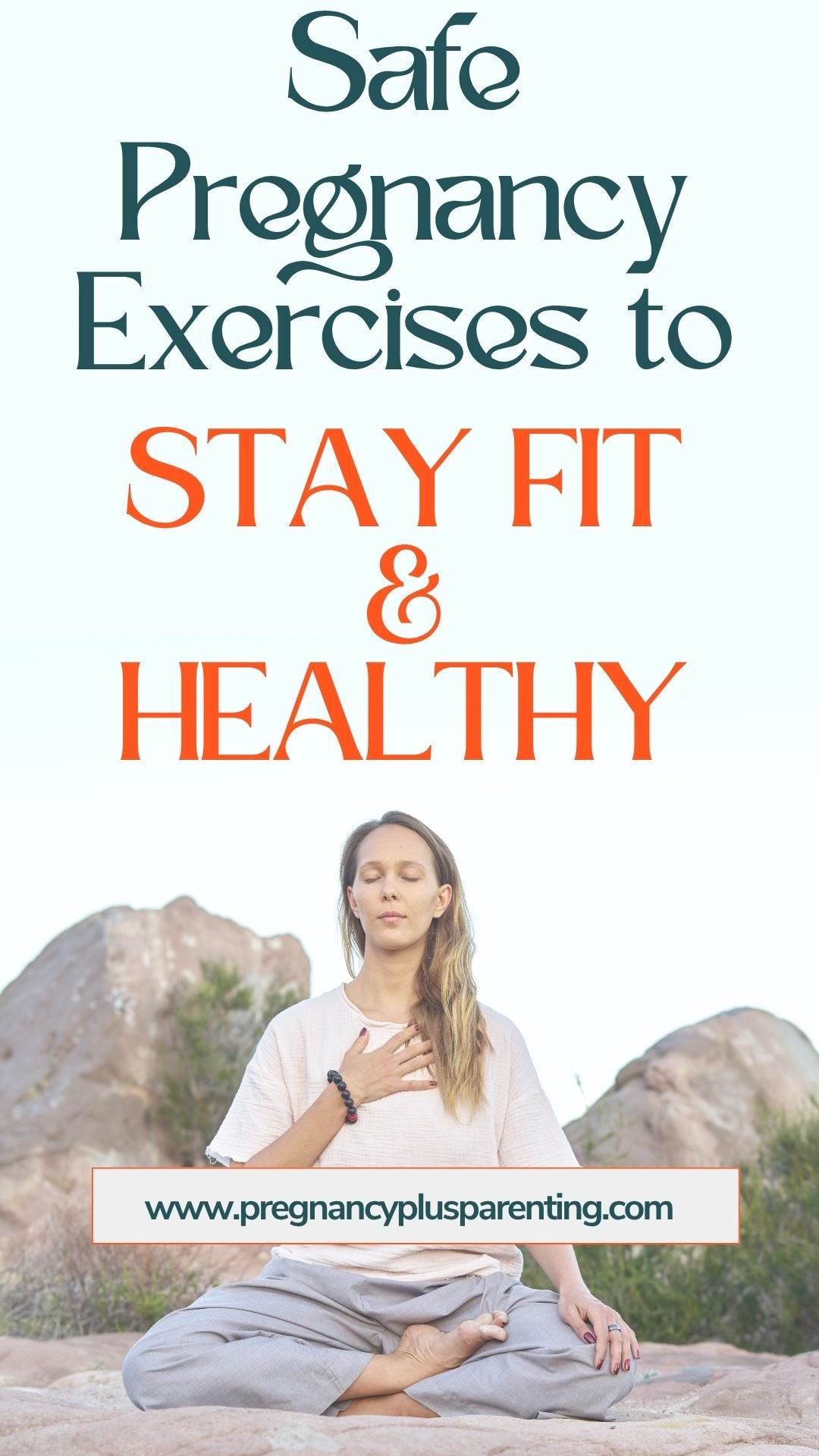


There’s a version of pregnancy advice that hasn’t fully caught up with the science yet — the kind that treats pregnant women as fragile, warns against exertion, and suggests that the safest thing you can do is rest. That advice is outdated, and in many cases it’s actually harmful.
The current evidence is clear and consistent: for most healthy pregnant women, regular exercise is not just safe — it is one of the most beneficial things you can do throughout all three trimesters. It reduces your risk of gestational diabetes, preeclampsia, excessive weight gain, back pain, c-section, and postpartum depression. It improves your sleep, your mood, your energy, your cardiovascular fitness, and your body’s ability to handle the physical demands of labor. Babies born to women who exercise regularly during pregnancy tend to have healthier birth weights and better cardiovascular health.
Exercise is not a risk to manage during pregnancy. For most women, it is a tool for a healthier, more comfortable, and better-supported pregnancy.
That said, pregnancy does change things. Exercises that were straightforward before are now more complex. Your center of gravity has shifted. Your ligaments are looser. Your cardiovascular system is working harder even at rest. There are specific movements and positions that should be avoided, particularly as the pregnancy progresses. Knowing what to do, what to modify, and what to avoid entirely is what makes the difference between exercise that helps and exercise that doesn’t.
This guide covers everything you need to know — trimester by trimester, exercise by exercise, with specific guidance for beginners and experienced athletes alike.
Before You Begin: The Most Important Step
Before starting or continuing any exercise program during pregnancy, have a conversation with your OB-GYN or midwife. This is not a formality — it matters. For most women, the answer will be a straightforward green light. But there are specific medical conditions and pregnancy complications for which exercise is restricted or contraindicated, and your provider needs to assess your individual situation.
Conditions Where Exercise May Be Restricted or Contraindicated
Your provider may advise limiting or avoiding exercise if you have any of the following:
Placenta previa (where the placenta partially or fully covers the cervix) is one of the most common reasons for exercise restriction, particularly in the second and third trimesters. Preterm labor risk or a history of preterm birth may require modification or rest depending on severity. An incompetent or short cervix, or a cerclage in place, typically means significant exercise restriction. Preeclampsia or pregnancy-induced hypertension requires careful monitoring and often activity limitation. Severe anemia, uncontrolled type 1 diabetes, or significant cardiac or respiratory conditions may also require modification. Multiple pregnancies — particularly triplets or higher-order multiples — often involve exercise restrictions from earlier in the pregnancy, and even twin pregnancies may require modification in the third trimester.
If any of these apply to you, the exercise guidance in this article may not be appropriate for your situation. Always defer to your provider’s specific instructions.
If You Get the Green Light
For the majority of healthy pregnant women, the American College of Obstetricians and Gynecologists (ACOG) recommends at least 150 minutes of moderate-intensity aerobic exercise per week during pregnancy. That breaks down to about 30 minutes, five days a week — though you can also break it into smaller sessions of 10–15 minutes if that works better for you.
Moderate intensity means you can talk, but you’re working — you could hold a conversation, but you couldn’t sing. This is a useful practical guide for monitoring your effort level during pregnancy.
How Pregnancy Changes Your Body — and Your Exercise
Understanding what has changed in your body is essential for exercising safely. These aren’t reasons to stop moving — they’re reasons to move thoughtfully.
Relaxin and Joint Laxity
The hormone relaxin, which prepares the body for birth by loosening ligaments and softening joints, is present throughout pregnancy and peaks in the first trimester. It affects every joint in the body, not just the pelvis. This means your joints are less stable than they were before pregnancy, and the risk of sprains, strains, and joint injuries is higher. This is why high-impact activities with complex directional changes — sports that involve cutting, jumping, pivoting quickly — carry more injury risk during pregnancy, particularly from the second trimester onward.
The practical implication: favor steady, controlled movements over explosive or unpredictable ones. Take your time with direction changes. Be cautious on uneven terrain.
Shifted Center of Gravity
As your belly grows, your center of gravity moves forward and down. This changes your balance significantly, particularly from the second trimester onward. Activities that require precise balance — certain yoga poses, single-leg exercises, cycling on a regular bike — become progressively more challenging and potentially more hazardous.
The practical implication: be prepared to modify balance-dependent exercises as pregnancy progresses. Use walls, chairs, or equipment for support. If something feels unsteady, modify without hesitation.
Increased Cardiovascular Demand
Your heart is working significantly harder during pregnancy even when you’re at rest. Blood volume increases by up to 50%, your heart rate at rest rises, and your cardiovascular system is under greater demand throughout the day. This means that the same exercise intensity that felt moderate before pregnancy may feel considerably harder now — and that’s appropriate. Your body is already doing more.
The practical implication: don’t measure your effort by the same yardstick as before pregnancy. Use perceived exertion (the talk test) rather than heart rate targets. Allow yourself to work at a lower absolute intensity and understand that this is still highly beneficial.
Supine Hypotension in Later Pregnancy
After about 20 weeks, lying flat on your back can compress the inferior vena cava — the large vein that returns blood from your lower body to your heart — under the weight of the uterus. This can reduce blood flow to the heart and brain, causing dizziness, lightheadedness, nausea, and in some cases a temporary drop in blood pressure. This is called supine hypotensive syndrome.
The practical implication: from the second trimester onward, avoid exercises that require lying flat on your back for extended periods. This includes flat bench exercises, certain yoga poses, and floor-based ab work done supine. Modify to a slight incline, or switch to side-lying or upright alternatives.
Diastasis Recti Risk
Diastasis recti is the separation of the two halves of the rectus abdominis (the “six-pack” muscle) along the midline of the abdomen, which occurs to varying degrees in most pregnancies as the uterus expands. Certain exercises — particularly those that place high load or pressure on the midline, like traditional sit-ups, crunches, full planks, and heavy lifting with poor form — can worsen this separation. Diastasis recti that is significant can affect core stability and function postpartum, so avoiding exercises that exacerbate it during pregnancy matters.
The practical implication: traditional abdominal exercises should be modified or avoided from the second trimester. Focus instead on deep core and pelvic floor work.
The Best Exercises for Each Trimester
First Trimester (Weeks 1–12)
The first trimester is often the most physically challenging — not because of size or balance changes, which are minimal at this point, but because of fatigue, nausea, and the sheer physiological demand of the first weeks of fetal development. Many women find that their energy for exercise drops significantly in weeks 6–10, which is completely normal and should be respected.
General guidance for the first trimester: Continue what you were doing before pregnancy with minimal modification. If you weren’t exercising before, this is an excellent time to begin gently. Listen to your body more than any program or schedule. Rest when you need to. On days when nausea is bad, movement may help — but so might resting. There is no award for pushing through when your body is asking you to stop.
What works well:
Walking is the single most accessible and universally appropriate exercise throughout all of pregnancy, and the first trimester is an ideal time to establish the habit. A 30-minute walk most days requires no equipment, no gym, no class, and can be adjusted for any energy level. It is genuinely effective for mood, cardiovascular health, and managing early pregnancy fatigue — counterintuitive as it sounds, gentle movement often reduces tiredness more than rest does.
Swimming and water-based exercise are excellent choices throughout pregnancy, and the first trimester is a great time to begin if you haven’t already. The water supports your body weight, removes impact stress from your joints, and provides natural resistance. Many women who struggle with nausea find that the cool water of a pool is one of the few things that makes them feel better.
Cycling on a stationary bike is safe and effective in the first trimester. A stationary bike eliminates the balance and fall risk of outdoor cycling, and the cardiovascular benefit is comparable. It is particularly useful for women who were regular cyclists before pregnancy and want to maintain their fitness.
Prenatal yoga is appropriate from the first trimester and offers benefits that go well beyond flexibility — breath awareness, relaxation, body connection, and preparation for the physical demands of labor are all part of a good prenatal yoga practice. Look specifically for prenatal classes rather than adapting a regular yoga class, as prenatal yoga avoids the poses that become problematic in later pregnancy from the start.
Strength training with light to moderate weights is safe and beneficial from the first trimester. Focus on maintaining rather than building strength, use controlled movements, and prioritize compound exercises like squats, lunges, rows, and presses that support functional movement. Avoid breath-holding (the Valsalva maneuver) during exertion — exhale on the effort.
What to modify or avoid:
Hot yoga and heated exercise classes should be avoided throughout pregnancy. Overheating during the first trimester in particular — when core body temperature above 102°F (39°C) has been associated with neural tube defects — is a genuine risk. All exercise environments should be cool, well-ventilated, and comfortable.
High-impact activities involving jumping, sudden direction changes, or contact should be discussed with your provider. Most can be continued in modified form in the first trimester.
Second Trimester (Weeks 13–26)
The second trimester is often called the exercise sweet spot of pregnancy, and for many women it genuinely is. The acute fatigue and nausea of the first trimester typically ease. Energy often returns. The belly is visible but not yet large enough to significantly impede movement. This is the trimester to build and maintain your exercise habit most consistently.
General guidance for the second trimester: Begin incorporating modifications as your belly grows. Avoid lying flat on your back for extended periods. Be attentive to balance. Listen for any new symptoms — pelvic girdle pain, round ligament pain, increased back discomfort — and modify exercises that aggravate them.
What works well:
Walking remains the most universally appropriate exercise and becomes even more valuable as the second trimester progresses. Many women find that walking with a supportive belt significantly reduces pelvic girdle pain during this trimester. Aim for flat or gently graded terrain rather than steep hills, which increase pelvic pressure.
Swimming becomes increasingly comfortable and appealing in the second trimester as your belly grows. The buoyancy of water removes the gravitational load that makes every movement on land feel heavier. Water aerobics classes designed for pregnant women are excellent — social, low-impact, and genuinely effective.
Prenatal yoga and Pilates are particularly well-suited to the second trimester. A good prenatal class will incorporate modifications for the growing belly, avoid supine positions, and include pelvic floor work and breath training that directly prepares your body for labor. Pilates focuses on deep core stabilization — the transverse abdominis and pelvic floor — which is exactly the kind of core work that supports the body during pregnancy without risking diastasis recti.
Strength training continues to be beneficial and can be maintained with appropriate modifications. Move from flat bench work to inclined or upright positions. Reduce load if exercises feel uncomfortable. Focus on functional movement patterns — squats, hinges, rows, presses — that support the posture and movement demands of a growing belly.
Low-impact cardio equipment — elliptical trainers, rowing machines (with appropriate form modifications), and stationary bikes — are effective cardiovascular exercise options that minimize impact stress on joints that are increasingly loose from relaxin.
Squats deserve specific mention because they are one of the most beneficial exercises of the entire pregnancy. They strengthen the glutes, quadriceps, hamstrings, and pelvic floor simultaneously, and they directly prepare the body for labor — squatting is one of the most effective positions for moving the baby down and opening the pelvis during labor. Bodyweight squats, sumo squats with a wide stance, and wall squats are all appropriate. Add a small weight as tolerated if you have a strength training background.
What to modify or begin avoiding:
Exercises on your back: From around week 20, begin transitioning away from exercises performed flat on your back. Modify to a slight incline (using a wedge or folded blanket), switch to side-lying alternatives, or choose upright versions of the same movements.
Traditional core exercises: Crunches, sit-ups, double-leg raises, and full planks put significant load through the midline and can worsen diastasis recti in the second trimester. Replace them with dead bugs (modified), bird dogs, side planks, modified planks on all fours, and pelvic floor exercises.
Activities with fall risk: As your center of gravity shifts, activities involving significant balance challenges — road cycling, skiing, horseback riding, gymnastics, contact sports — carry increasing risk of falls. This is typically the trimester where most women make the decision to step back from these activities.
Third Trimester (Weeks 27–40)
The third trimester is where the physical demands of pregnancy are at their peak and exercise feels genuinely hard — not because you’re deconditioned, but because your body is working incredibly hard even without exercise. You are carrying significant additional weight. Your posture is altered. Your sleep is disrupted. Your cardiovascular system is under maximum demand.
Exercise in the third trimester is still valuable and still recommended, but it looks different. The goal is to maintain movement, support physical and mental wellbeing, and prepare the body for labor — not to maintain pre-pregnancy performance standards. Any and all modifications are appropriate. Rest days are productive. Listening to your body is the primary guide.
What works well:
Walking is, again, the most accessible and appropriate exercise of the third trimester. Many women find they need to slow their pace significantly and take rest breaks — this is completely appropriate. Even a slow, 20-minute walk maintains cardiovascular health, supports mood, reduces back pain, and may help encourage the baby into an optimal position for birth.
Swimming becomes many women’s favorite third trimester exercise for a simple reason: in the water, you don’t feel the weight. The relief of buoyancy when you are carrying a significant additional load is immediate and profound. Many women who have stopped all other exercise continue swimming until the very end of their pregnancy and report it as one of the most physically comfortable experiences of their third trimester.
Prenatal yoga in the third trimester shifts toward gentle, restorative practice — focusing on hip opening, relaxation, breath work, and positions that prepare the body and mind for labor. Poses like deep squats, bound angle pose, cat-cow, and supported child’s pose are particularly valuable. Many women also use this time to practice the breathing and mindfulness techniques they will use during labor.
Pelvic floor exercises (Kegels) should be a consistent part of your routine throughout pregnancy and become particularly important in the third trimester. A strong and well-coordinated pelvic floor — one that can both contract and release effectively — supports the baby, reduces leakage, and facilitates both pushing during labor and recovery postpartum. The key word is coordinated — you need to be able to fully relax the pelvic floor as well as contract it. Tension without the ability to release is not what you want going into labor.
Low-impact strength training with light weights can be continued in the third trimester with attention to form, breath, and comfort. Seated or standing exercises are most appropriate. Focus on maintaining rather than challenging, and reduce intensity or load freely as needed.
What to avoid by the third trimester:
Lying flat on your back for any significant duration — modify everything to inclined or upright positions.
High-impact activities — running, jumping, high-impact aerobics — are not recommended for most women in the third trimester, though some experienced runners continue jogging with significant modification and their provider’s explicit approval.
Heavy lifting and straining — any exercise that causes breath holding, significant intra-abdominal pressure, or bearing down should be avoided. This includes very heavy strength training and certain machine exercises that compress the abdomen.
Exercise in heat — your thermoregulation is already compromised in the third trimester. Avoid hot environments, exercise in cool and ventilated spaces, and stay extremely well hydrated.
Standing for long periods without movement — this is less an exercise caution and more a general third trimester caution, but it affects exercise choices. Static standing exercises become more uncomfortable; moving through positions or sitting between sets is more appropriate.
Exercise by Type: A Complete Guide
Walking
Why it’s great: Zero equipment, adjustable to any fitness level, appropriate throughout all three trimesters, accessible anywhere, beneficial for mood, cardiovascular health, and back pain.
How to do it safely: Wear supportive shoes with good arch support — your feet may spread slightly during pregnancy, so don’t be surprised if your usual size feels tight. Consider a supportive belly band if you experience pelvic pressure. Walk on even, familiar terrain. Bring water. Slow your pace as needed — there is no minimum speed requirement. If you experience sharp pelvic pain, round ligament pain, or significant discomfort, slow down, stop, or shorten the walk.
Target: 30 minutes most days, or shorter walks more frequently if that works better.
Swimming and Water Exercise
Why it’s great: Non-weight-bearing, joint-friendly, naturally cools the body, works the entire cardiovascular system without impact, and provides the singular comfort of weightlessness in the third trimester.
How to do it safely: Choose pools with clean, well-maintained water. Avoid hot tubs and heated pools — water temperature above about 32°C (89°F) can raise core body temperature uncomfortably during pregnancy. Enter and exit the pool carefully — wet surfaces are slip hazards. Breaststroke can aggravate pelvic girdle pain in some women because of the hip rotation involved; if you notice pain with breaststroke, switch to front crawl or backstroke.
Target: 30 minutes of comfortable swimming or water aerobics, 3–5 times per week.
Prenatal Yoga
Why it’s great: Builds strength and flexibility simultaneously, develops breath awareness for labor, reduces stress and anxiety, improves sleep, and connects you with your body and baby in a meaningful way.
How to do it safely: Choose a class or video specifically designed for pregnancy — not a regular yoga class that you adapt. Certified prenatal yoga instructors know the poses to avoid (deep twists, hot yoga, poses on the back, advanced inversions, intense backbends) and will guide you into modifications from the start. From the second trimester, avoid any pose that compresses or twists the belly, and any pose that requires strong balance without support. If a pose feels wrong — physically or intuitively — come out of it.
Key poses that are particularly beneficial during pregnancy:
Cat-cow (Marjaryasana-Bitilasana) gently mobilizes the spine, relieves back pain, and encourages the baby into an anterior position. It can be done throughout all three trimesters.
Supported squat or malasana (garland pose) opens the hips and pelvis, strengthens the thighs and pelvic floor, and directly prepares the body for labor positions. Use a wall or chair for support as needed.
Bound angle pose (Baddha Konasana) opens the inner groin and hips and can be done seated against a wall throughout pregnancy.
Child’s pose (Balasana) — modified with knees wide apart to accommodate the belly — is deeply restorative for the back and hips.
Warrior I and Warrior II build leg strength and stamina with appropriate support available from a chair or wall if balance becomes challenging.
Side-lying relaxation with supported props is essential in later pregnancy — a deeply restorative position that relieves pressure and allows rest.
Strength Training
Why it’s great: Maintains muscle mass, supports posture, reduces back pain, prepares the body for the physical demands of carrying a baby after birth, and maintains bone density.
How to do it safely: Use lighter weights than pre-pregnancy and prioritize form over load. Exhale on the effort — never hold your breath during exertion. Avoid exercises that require lying flat on your back from the second trimester. Avoid exercises that place your belly in contact with a bench or pad. Avoid high-load exercises that significantly increase intra-abdominal pressure. Give yourself adequate rest between sets — your cardiovascular system is working harder than before, and recovery time between efforts will be longer.
Best exercises:
Squats — bodyweight, goblet squat with a light kettlebell or dumbbell, or sumo squat — are among the most functional exercises of pregnancy. Keep your chest tall, your knees tracking over your toes, and squat to a depth that is comfortable.
Deadlifts at moderate weight with excellent form are appropriate in the first and second trimesters and can be modified to Romanian deadlifts (hip hinge with lighter weight) in the third trimester. Focus on the hip hinge pattern — this supports the lower back significantly.
Seated or standing rows with a resistance band or cable machine maintain upper back strength, which is critical for posture as the belly pulls the spine forward.
Standing or seated dumbbell press — overhead or at chest height — maintains shoulder and chest strength without spinal compression.
Glute bridges are excellent core and glute exercises in the first and second trimesters performed on your back, and can be transitioned to standing glute kickbacks or side-lying clamshells in the third trimester.
Bird dogs — on all fours, extending opposite arm and leg — train the core without any midline pressure and are appropriate throughout pregnancy.
Pelvic Floor Exercises (Kegels)
Why it’s great: Supports the growing uterus, reduces urinary leakage, improves recovery postpartum, and trains the pelvic floor for the complex demands of labor — both the pushing phase and the critical ability to release and relax.
How to do them correctly: Identify the pelvic floor muscles by imagining you are stopping the flow of urine midstream. The squeeze and lift of those muscles is a Kegel contraction. Hold for 5–10 seconds, then — and this part is equally important — fully and consciously release. The release is not passive. It requires active attention. Repeat 10–15 times, several times per day.
A common mistake is doing Kegels by clenching the buttocks or thighs — these are not pelvic floor muscles and training them does not give you the same benefit. Focus specifically on the internal lift.
Important note: If you have pelvic girdle pain or have been told you have pelvic floor hypertonicity (muscles that are already too tight rather than too weak), standard Kegel exercises may not be appropriate. Ask your provider for a referral to a pelvic floor physiotherapist for a personalized assessment.
Running
Why it’s great for those who ran before pregnancy: Maintains cardiovascular fitness, mood, and a sense of identity and routine that is important to many runners.
The honest truth about running in pregnancy: Running is safe for most healthy pregnant women who were running before pregnancy, but it requires more modification than most other forms of exercise and typically becomes increasingly uncomfortable from the second trimester onward. The combination of joint laxity, shifted center of gravity, pelvic pressure, and the mechanical demands of running on changing anatomy means most women naturally transition away from running — to jogging, then walking, then another form of cardio — over the course of the second and third trimesters. This is a sensible and healthy response to what your body is telling you.
Modifications for pregnant runners: Slow your pace significantly — running in pregnancy should feel comfortable, not strained. Shorten your stride. Run on flat, even surfaces. Wear a supportive belly band. Stay very well hydrated. Stop immediately if you feel pain, pressure, dizziness, or any symptoms of concern. Do not feel that you must run through discomfort to maintain your fitness — the fitness you preserve is not worth injury or distress.
If you were not a runner before pregnancy, this is not the time to begin running for the first time.
Warning Signs to Stop Exercising and Call Your Provider
No matter how experienced you are or how good the exercise is, stop immediately and contact your provider if you experience any of the following:
Vaginal bleeding of any amount during or after exercise should be reported to your provider immediately. Amniotic fluid leaking or a sudden gush of fluid requires immediate evaluation. Regular contractions during or after exercise — particularly if they continue after you rest — need to be assessed. Chest pain or palpitations that feel uncomfortable or unusual should not be ignored. Severe shortness of breath that is disproportionate to your effort level or that persists after stopping needs evaluation. Dizziness, presyncope (feeling like you might faint), or actual loss of consciousness are serious signs to stop and call your provider. Significant headache during exercise should prompt rest and a call to your provider. Calf pain or swelling in one leg that is asymmetric warrants evaluation to rule out deep vein thrombosis. Decreased fetal movement — if you notice your baby moving significantly less than usual in the hours after exercise, contact your provider.
Building an Exercise Routine That Actually Works
The best exercise routine during pregnancy is one you can sustain. Here are the principles that make that possible.
Start where you are, not where you were. If you were sedentary before pregnancy, walking and gentle prenatal yoga are the ideal starting points. If you were an athlete, you can maintain more intensity with appropriate modification. Neither approach is superior — the goal is consistent, appropriate movement for your current fitness level.
Consistency matters more than intensity. Three moderate 30-minute sessions per week, sustained throughout pregnancy, will deliver far more benefit than intense exercise done sporadically. Build the habit before you build the intensity.
Plan for variation across the week. Combining cardiovascular exercise (walking, swimming), strength work (weights, resistance bands), and flexibility and mindfulness work (yoga, Pilates) gives you a well-rounded program that addresses all the physical demands of pregnancy.
Give yourself permission to modify the plan. Some days the 30-minute walk becomes 15 minutes because your back hurts or you’re exhausted or the baby is sitting in a way that makes every step uncomfortable. That is fine. Something is always better than nothing, and rest when genuinely needed is productive.
Track how you feel rather than what you accomplish. The metric that matters during pregnancy is not pace, weight lifted, or sessions completed. It is how your body feels during and after. Does this exercise support you? Does it leave you feeling better or worse? Use that feedback continuously.
After the Baby Arrives: Looking Ahead
The exercise habits and body awareness you build during pregnancy are an investment that pays off postpartum. Women who exercise regularly during pregnancy typically have faster recovery times, better postpartum mood outcomes, and return to physical activity more easily than those who were sedentary. The pelvic floor work, the body connection, the breath training — all of these have direct applications in the fourth trimester.
Postpartum exercise deserves its own full guide, but the short version: the traditional “wait until six weeks” rule is a starting point, not an endpoint. Recovery from birth is highly individual, and what you can safely do at six weeks depends on your birth experience, whether you had tearing or a cesarean, your pelvic floor function, and how you actually feel. A postnatal check with a pelvic floor physiotherapist at around six weeks postpartum is one of the most valuable things you can do for your recovery — and it’s recommended for all women, regardless of how straightforward the birth was.
The Bigger Picture
Exercise during pregnancy is not about maintaining a certain body shape or staying “in shape” in the aesthetic sense. It is about supporting your physical and mental health through one of the most demanding things your body will ever do. It is about reducing risk — to yourself and to your baby. It is about building strength and resilience for labor and recovery. And it is about staying connected to your body at a time when it can feel like it’s changing beyond recognition.
Move because it makes you feel better. Move because it helps you sleep. Move because it reduces your anxiety and lifts your mood and gives you a sense of agency when so much about pregnancy feels outside your control. Move in whatever way your body allows on any given day, and rest without guilt on the days it doesn’t.
You don’t have to be perfect. You just have to keep showing up — for yourself and for the baby who is already benefiting from every single step you take.